
The Therapy Toolbox - Getting Everyone Involved
Many people attend residential rehabilitation with a partner, family member or carer, while others come on their own. Having someone with you is not essential, and many patients attend independently and do very well. However, for those who do bring someone along, it can add valuable support once the residential stay ends.
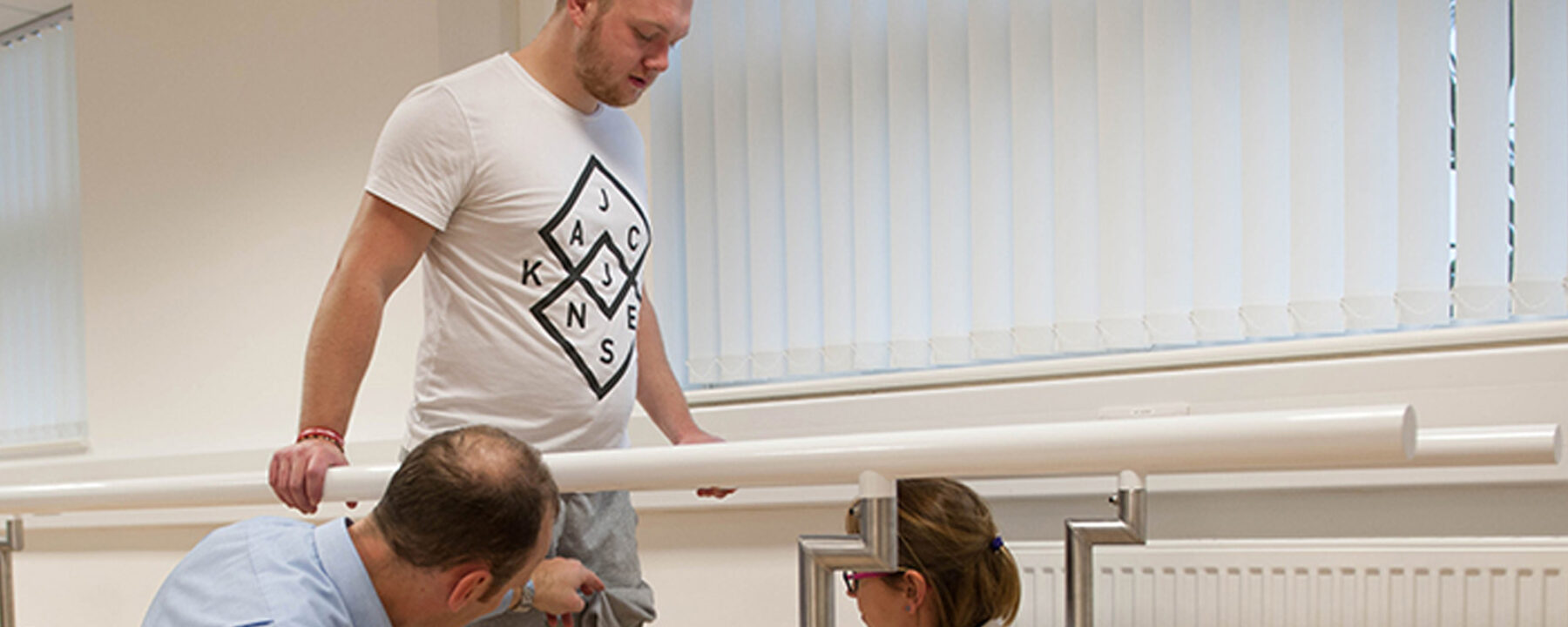
During the week, companions are welcome to stay in sessions to observe and understand how rehabilitation works. They can also learn how to support exercises and provide simple cues that emphasise what is practised in clinic. This shared understanding can make it easier to continue rehabilitation at home in a consistent and supportive way.
Residential rehabilitation can be challenging not only for the patient undergoing treatment, but also for those close to them. Watching someone adapt after trauma or adjust to a significant change in mobility can be distressing, and many carers and family members carry their own concerns. Being present during rehabilitation often gives them space to talk through worries and develop a clearer understanding of what recovery involves. This helps clarify what is normal and what might need further support.
It is common for patients to feel a sense of guilt about the impact their injury has on those around them, particularly when others have taken on more responsibility at home. Rehabilitation sessions often provide space to discuss ways of gradually increasing independence and reducing this reliance, even through small changes. Over time, these adjustments can make a meaningful difference to both confidence and day‑to‑day life.
Some clients are also involved in legal processes, and we are happy for solicitors or case managers to attend the clinic to observe rehabilitation and better understand the work being done. Seeing progress in person can provide valuable context and is often helpful when planning long‑term support. Where visits are not possible, we can share updates through reports or direct communication to keep everyone informed.
Leaving the clinic does not mean leaving support behind. We remain available once residential rehabilitation ends and encourage clients to stay in touch if they have any questions or guidance is needed. Rehabilitation does not stop when you go home and knowing that continued support is available can make the transition feel less daunting.
Please email Beth with any questions you may have - bethl@dorset-ortho.com