
Anthony Rogers
“It's Not What You've Lost, It's What You've Got Left”: How osseointegration helped Anthony Rogers move forward after amputation
At 75, Anthony "Tony" Rogers has spent a lifetime tackling challenges head on. A veterinary surgeon for more than 40 years, he built and ran a successful practice before retiring, developing a particular interest in orthopaedics along the way. His work brought him into contact with some of the leading names in veterinary medicine and introduced him to the concept of osseointegration long before he ever imagined it would become part of his own story.
After retiring, Tony continued to lead a busy and active life. He spent his time sailing, walking, swimming and enjoying life with his dogs. "I've always been challenged and goal orientated in everything I've done,” said Tony.
In August 2024, Tony was on a sailing holiday in Greece when a routine manoeuvre went badly wrong. While securing a 17-tonne boat, he became tangled in a mooring line that tightened around his thigh as the vessel moved away. Although the skin and bone remained intact, the damage to the blood vessels, nerves and soft tissue was severe. "I remember looking at my leg and thinking, I'm going to lose that leg. It was not physically possible to have that happen without catastrophic damage.”
What followed was a desperate journey to receive specialist medical treatment. It took approximately 11 hours before Tony reached the right surgical team in Athens.
Surgeons initially attempted to save Tony's leg by repairing the damaged blood vessels. However, after three days it became clear that the limb could not be saved, and he underwent an above knee amputation.
When Tony woke up after the amputation, he made a conscious decision about how he wanted to approach his recovery. “The moment I woke up from the anaesthetic, I thought that there are only two ways that this could go. I either turn my face to the wall and be miserable, or I see it as a challenge.” This mindset remained with him throughout his rehabilitation.
After returning to the UK, Tony began rehabilitation at Queen Mary's Hospital, Roehampton, where he was fitted with a microprocessor knee. He made good progress and returned to walking, but continued to experience challenges with the comfort and fit of his socket.
Throughout his rehabilitation, Tony continued to explore osseointegration as a potential option. Having first encountered the procedure through his work in veterinary orthopaedics, it was something he was already familiar with. This led him to connecting with Professor Norbert Kang from ReLimb and the team at Dorset Orthopaedic.
After discussing the procedure and weighing up his options, Tony decided to fund his own care and rehabilitation.
Six months after surgery, Tony has completed the full weight bearing process and can walk several kilometres on a variety of terrain. One aspect of osseointegration that has particularly stood out is the ability to feel differences in the ground beneath him. “It feels absolutely tremendous. I can tell a soft surface from a hard surface simply by the sensations I get through the osseointegration.”
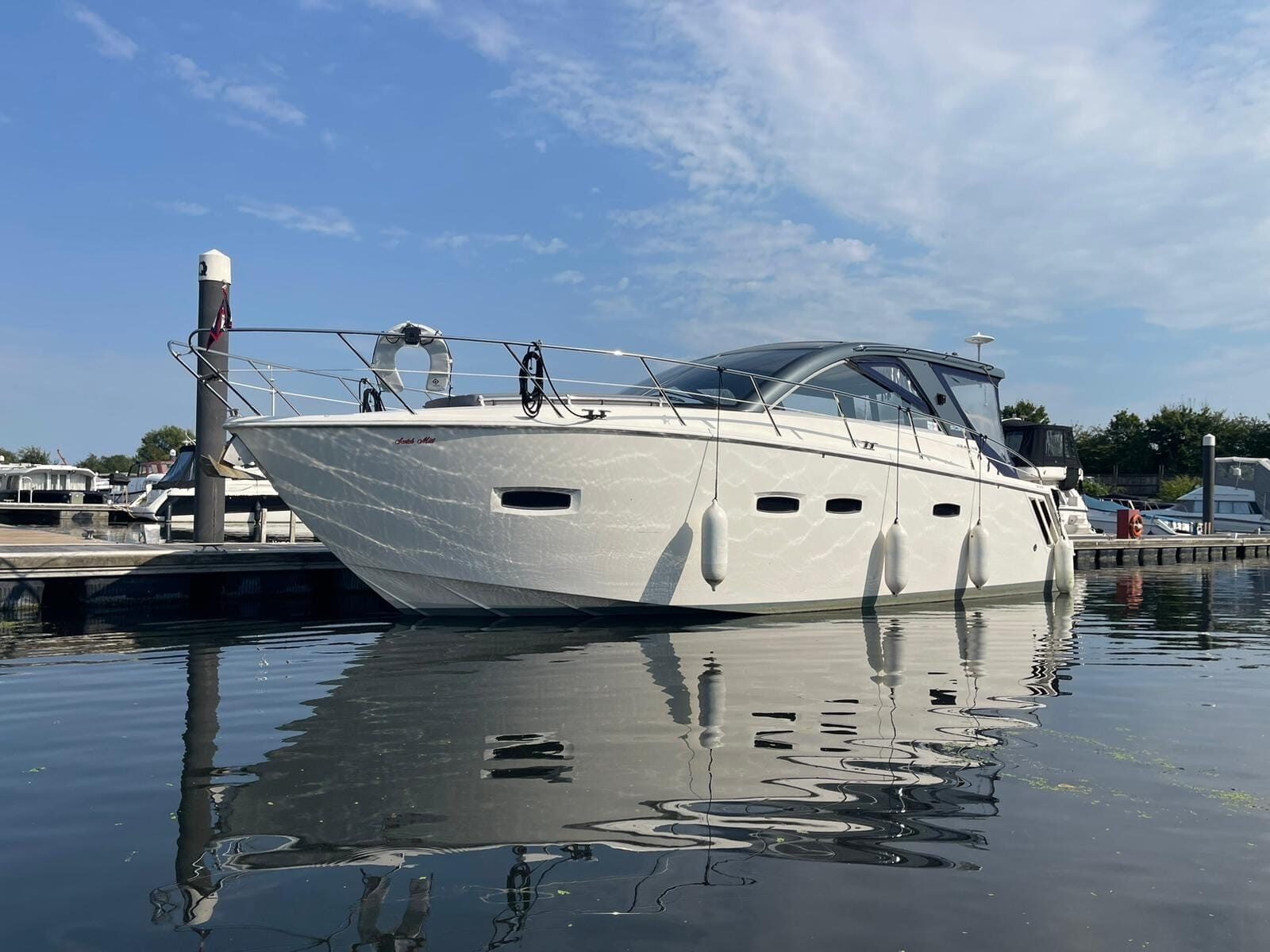
Getting back on the boat was an important goal for Tony after the accident. “One of the reasons I wanted to progress as quickly as I could with rehab was to be able to get back on the boat. I've had no reservations about it at all. It was an absolute freak accident.”
Now back sailing, Tony prefers to focus on what remains possible rather than what has changed. “If I wasn't going to turn my face to the wall, then the only other option was to make the very best of what I've got. It's not what you've lost, it's what you've got left.”