
The Therapy Toolbox - Intensive Rehabilitation
Intensive rehabilitation at Dorset Orthopaedics is where patients attend for consecutive days of therapy input. Each day is structured with morning and afternoon sessions, with time built in for rest between them. The number of days is agreed in advance, so it fits around the patient’s life and provides enough time to see meaningful progress without becoming overly demanding.
It is common for people to feel nervous before starting an intensive programme, often imagining a very rigid or exhausting experience. In practice, rehabilitation looks different for every patient and is shaped around individual ability and goals. While the work can be challenging, sessions are carefully balanced so periods of active rehabilitation are supported by time spent resting or receiving hands‑on treatment where appropriate.
When intensive rehabilitation runs alongside the provision of a new prosthesis or orthosis, time is scheduled with the prosthetist or orthotist during the week. This allows fit and alignment to be reviewed regularly so adjustments can be made promptly, helping patients stay comfortable and get the most out of each session.
The week begins with a detailed initial assessment to understand the client’s current situation. This includes discussion around activity levels, pain, limitations and personal goals, helping guide the direction of rehabilitation from the outset and ensuring expectations remain realistic.
Physical assessment looks at how joints and muscles are working, alongside balance and movement control. Any restrictions identified are incorporated into the rehabilitation plan, so treatment reflects what the body needs rather than following a fixed template. For example, reduced hip movement may influence how therapy sessions are structured throughout the week.
During an intensive block, rehabilitation commonly includes work on walking technique both inside and outside the clinic, with hydrotherapy often used to support movement where appropriate. Supporting techniques such as electrical muscle stimulation may also be introduced if they are likely to be beneficial.
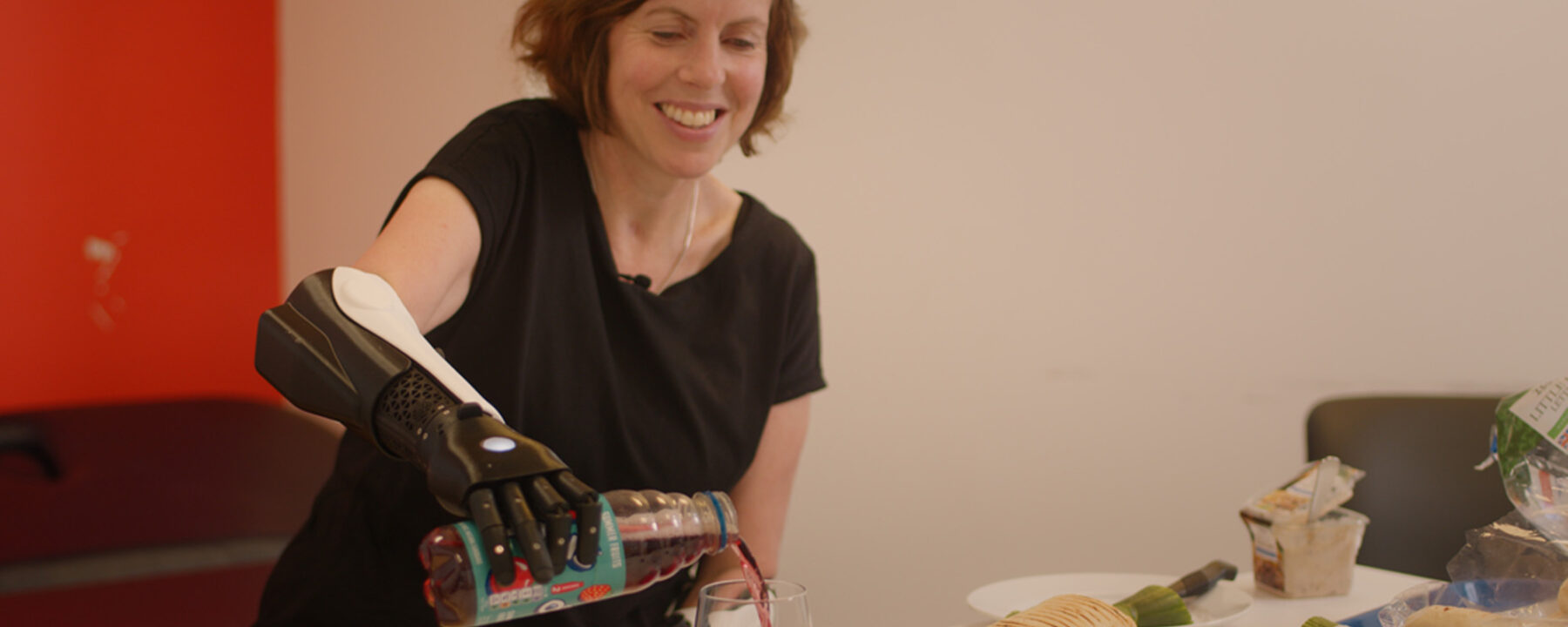
As confidence improves, rehabilitation often extends into different environments to practise tasks that reflect everyday life. This may involve practising tasks in public or outdoor environments, depending on what the individual wants to return to.
At the end of the intensive period, progress is reviewed and clear goals are agreed for the next stage of rehabilitation. An update is shared with relevant funding or support teams, outlining progress and recommendations for ongoing input. This may involve further rehabilitation delivered in a format that best suits the individual.