
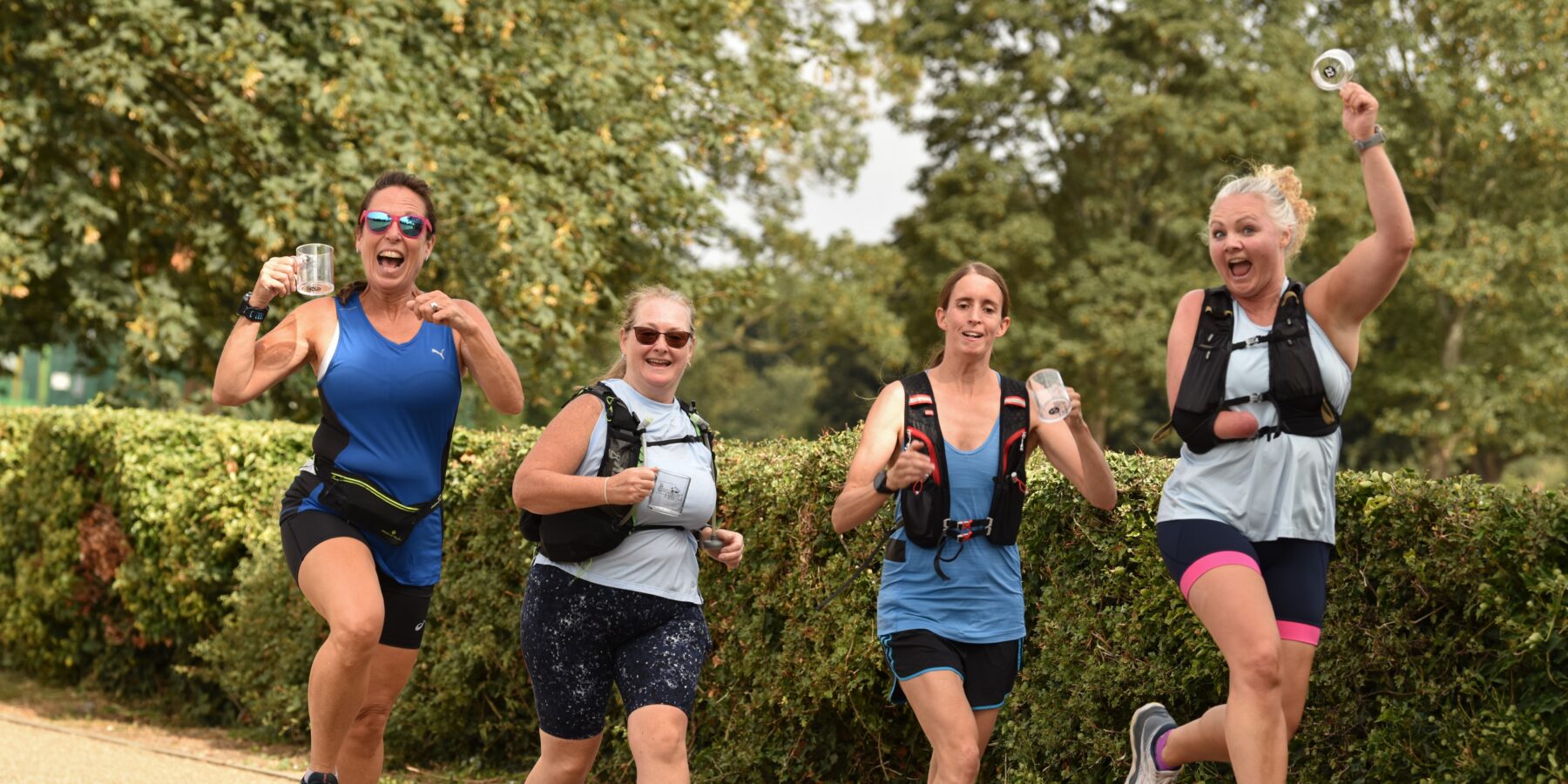
Nicola Wilding
Opening the Door to the Next Chapter: Nicola’s Journey After Life-Changing Injury
Nicola’s journey shows how, even after a life-altering accident, the right support and mindset can help open the door to the next chapter.
Nicola Wilding was just 22 when a car accident changed the course of her life. On the 31st May 1999, whilst travelling home from Brighton over the Bank Holiday weekend, she struck debris in the road and was forced to swerve onto the hard shoulder to avoid other vehicles. The car rolled, and in that moment, she sustained a severe brachial plexus injury, leaving her with paralysis and loss of sensation in her right hand.
Nicola was taken to the Royal National Orthopaedic Hospital, where the extent of the damage was identified. In the years that followed, she underwent numerous procedures, including nerve and muscle transplants, in attempts to restore function.
Eighteen years after the accident, Nicola made the decision to undergo an elective amputation. Over time, her injured hand had become more of a limitation in both everyday life and sport. Reflecting on that decision, Nicola said: “My injured hand was a constant reminder of my accident and was more of a hindrance. I was relieved once I had the amputation, it was the start of the next chapter in my life.”
Sport had always played an important role in Nicola’s life. Before her accident, she was heavily involved in team sports, particularly rugby. After her injury, staying active became even more important, helping her navigate both the physical and emotional challenges she faced. “Psychologically, I’ve dealt with it. I do still get angry and have my down moments, but I use sport a lot in order to help me deal with what I’m going through”, Nicola explained.
Sport remained part of her life, but in a different way, as she adapted her approach and focused on activities that worked for her. Over time, Nicola has gone on to complete a marathon, swim the English Channel and continues to challenge herself whilst finding new ways to stay active. “Sport has always been in my life, I’ve just had to adapt the sports that I do and be clever not to overwork my remaining hand”, Nicola said.
Like many people with limb loss, Nicola experienced phantom limb pain. Seeking support, she was introduced to the Pain Rehabilitation Programme at Dorset orthopaedic. Led by Lauren Young, Physiotherapist at the Egham Clinic, the six-week programme offered an intensive, holistic approach to managing nerve pain, with sessions held twice a week.
From the outset, her pain levels were carefully assessed, forming the benchmark for her treatment. Through a combination of techniques, including electrotherapy, acupuncture and therapies designed to retrain the brain, Nicola began to see progress. “The pain rehab programme has helped reduce my symptoms measurably. I had a noticeable reduction in the level of pain I was experiencing,” said Nicola. “As we progressed through the rehab sessions, the intensity and frequency of my pain reduced noticeably.”
Reflecting on the experience overall, Nicola said: “From the 6-weeks, I had a reprieve and it was just life changing. It’s given me the tools to help cope with the pain and educated me in how to better manage it as best as I can.”
Today, Nicola continues to stay active, maintains close contact with her medical team and prioritises her long-term health. She remains open about the realities of her experience, acknowledging that there are still difficult days, but approaching them with perspective.
When asked what advice she would give to others, Nicola shared: “Everybody’s journey is individual, you can’t compare your progress with anyone else. Take from others that you’ve got to keep moving forward. You will have down days, but that’s part of the journey.”
Nicola’s story is a reminder that while life may change in an instant, it does not stand still. With the right support, it is always possible to keep moving forward.